
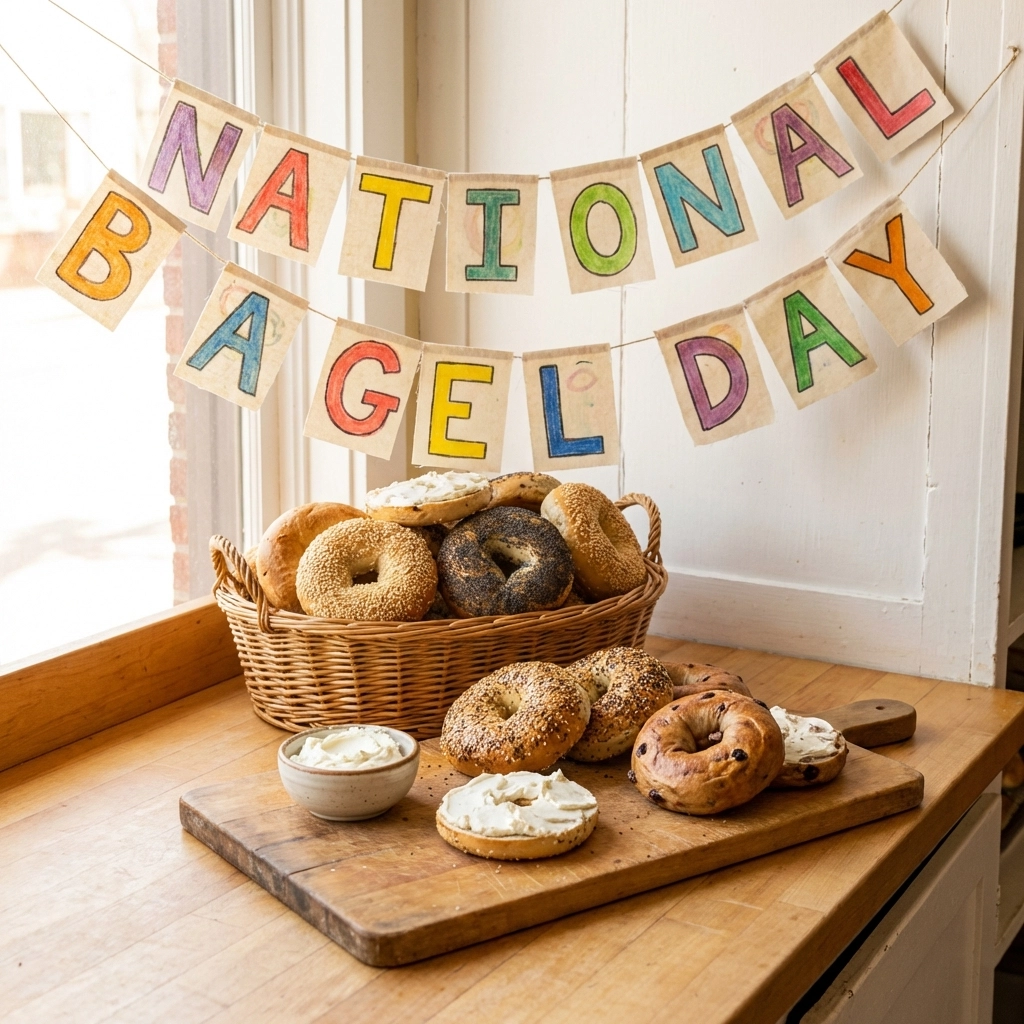
January 15 marks one of the most delicious food holidays on the calendar: National Bagel Day. This annual bagel celebration honors the beloved ring-shaped bread that has captured hearts and taste buds across the globe. Whether you prefer yours toasted with a generous schmear of cream cheese or piled high with lox and capers, today is the day to appreciate everything bagels bring to the breakfast table.
But how much do you really know about this iconic bread and its bagel history? The bagel’s journey from medieval European kitchens to a modern-day brunch staple is a fascinating tale worth exploring. Let’s dive into the bagel history, evolution, bagel tradition, and bagel facts that make bagels so special.
The Ancient Origins of the Bagel: Bagel History and Tradition
Bagels trace their roots back approximately 600 years to medieval Poland. The earliest documented mention of the bagel appeared in 1610 in Kraków, though the bread likely existed in some form before that date.
The word “bagel” itself derives from the Yiddish word “beygl,” meaning ring or bracelet. This Yiddish term evolved from the German word “beugel.” The circular shape wasn’t just for aesthetics: it served practical purposes. The hole in the center allowed bakers to stack bagels on wooden dowels for transport and display.
Historical records reveal an interesting bagel tradition: bagels were traditionally gifted to women soon after childbirth. The ring shape was thought to symbolize the circle of life. This connection to significant life events helped cement the bagel’s place in Jewish culture and tradition.
Polish bakers developed the distinctive bagel-making technique that remains largely unchanged today. The process involves:
- Mixing a simple dough of flour, water, yeast, and salt
- Shaping the dough into rings
- Boiling the rings in water (sometimes with malt or honey added)
- Baking until golden brown
That boiling step is what sets bagels apart from ordinary bread. It creates the signature chewy interior and slightly crispy exterior that bagel lovers crave.
Journey to America: Bagel History and Famous Bagels
Polish-Jewish immigrants brought bagels to the United States during the 1800s. These newcomers established the bagel as a cornerstone of Jewish-American cuisine, particularly in New York City. The Lower East Side of Manhattan became a bagel-making hub, with small bakeries producing fresh bagels daily.
The bagel industry grew so rapidly that organization became necessary. In 1907, bagel bakers created the International Beigel Bakers’ Union: later known as Bagel Bakers Local 338. This union organized the thriving industry and supported workers across New York City.
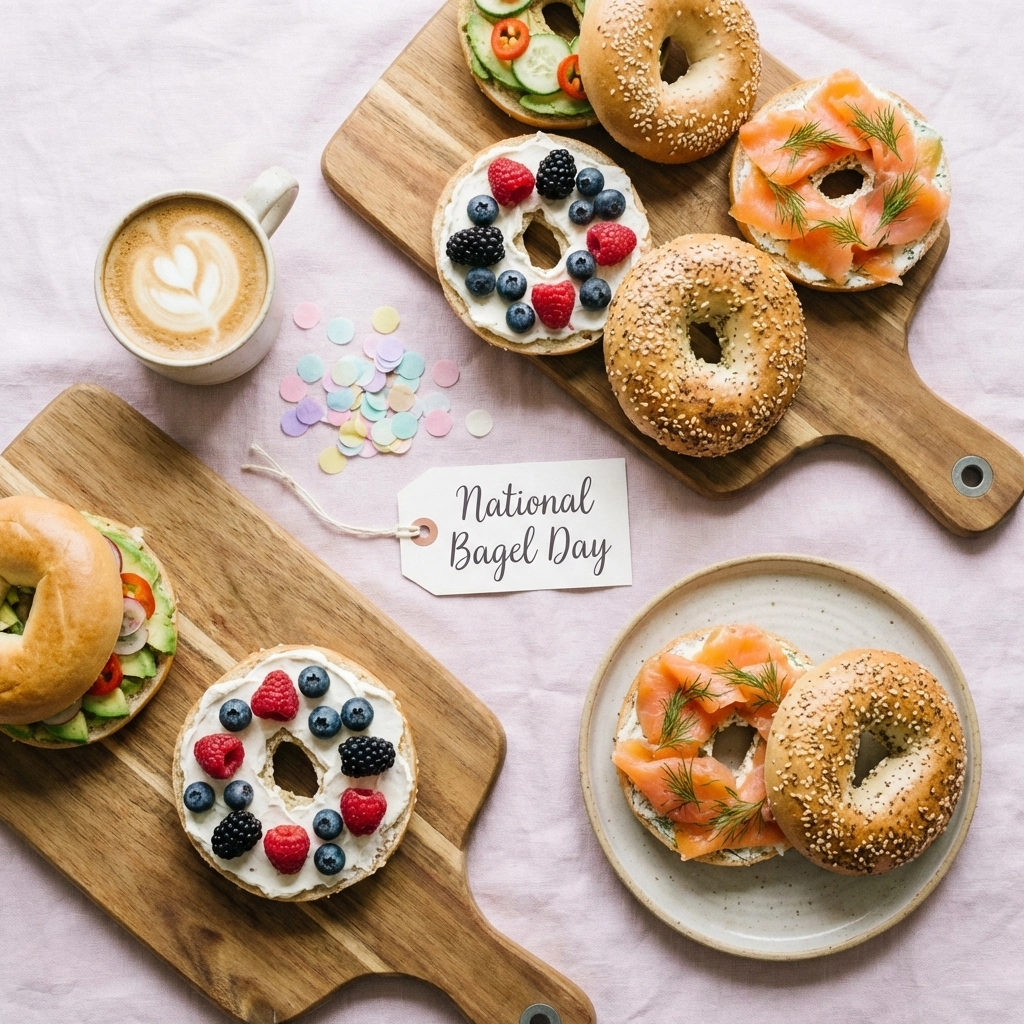
The union did more than protect workers. It helped establish beloved bagel traditions that persist today. The “bagel brunch” featuring lox, cream cheese, capers, tomatoes, and red onions emerged during this era. Sunday mornings became synonymous with fresh bagels and family gatherings.
For decades, bagel-making remained an exclusive craft. Union membership was often passed down from father to son. Bakers worked through the night to ensure fresh bagels arrived at shops by morning. The craft required skill, stamina, and dedication.
New York bagels developed their own distinctive character during this period. Some attribute the unique taste and texture to New York City’s water, which has low concentrations of calcium and magnesium. Whether this water theory holds scientific merit or not, New York-style bagels remain among the most famous bagels and a benchmark against which all others are measured.
The Revolution in Bagel History: Mass Production Changes Everything
The 1960s brought transformative change to the bagel industry. Daniel Thompson invented the bagel-making machine, sparking debate between artisanal and mechanized production. Traditionalists argued that machine-made bagels couldn’t match the quality of handcrafted versions. Proponents of mechanization saw opportunity to share bagels with a wider audience.
Harry Lender and his son Murray seized this opportunity. They pioneered frozen bagels in the 1960s, making the bread available nationwide for the first time. No longer confined to New York delis and specialty bakeries, bagels appeared in grocery store freezer sections across America.
Murray Lender also invented pre-slicing: a seemingly small innovation with enormous impact. Pre-sliced bagels made preparation easier and faster. Consumers could simply pop a frozen bagel half in the toaster and have breakfast ready in minutes.
The Lender family didn’t stop at production innovation. They invested heavily in marketing, introducing bagels to mainstream America through television commercials. Murray Lender himself became a spokesperson, bringing warmth and personality to bagel promotion.
The late 20th century witnessed bagels’ transformation from a regional specialty to a mainstream breakfast staple across North America and beyond. Chain restaurants added bagels to their menus. Coffee shops began offering bagel sandwiches. Gas stations stocked pre-packaged bagels for travelers.
By the 1980s, bagels had even reached Japan. Japanese manufacturers created unique local flavors like green tea and chocolate, adapting the traditional bread to local tastes while maintaining its essential character.
National Bagel Day: A Brief History of the Bagel Celebration
The exact origins of National Bagel Day remain unclear. Experts believe the bagel celebration began in the early 2000s, emerging from the general trend of food-themed holidays.
The date underwent a notable shift in 2018. Thomas’ Bagels, a division of Bimbo Bakeries USA, moved National Bagel Day from February 9 to January 15. The reason? To avoid competing with National Pizza Day on February 9. Two beloved circular foods deserved their own spotlight.
As of 2020, bagels branched out to have their own dedicated day. Previously, the bagel celebration shared recognition with lox. Now the bagel stands alone in its January glory.
Bagel Facts That Might Surprise You
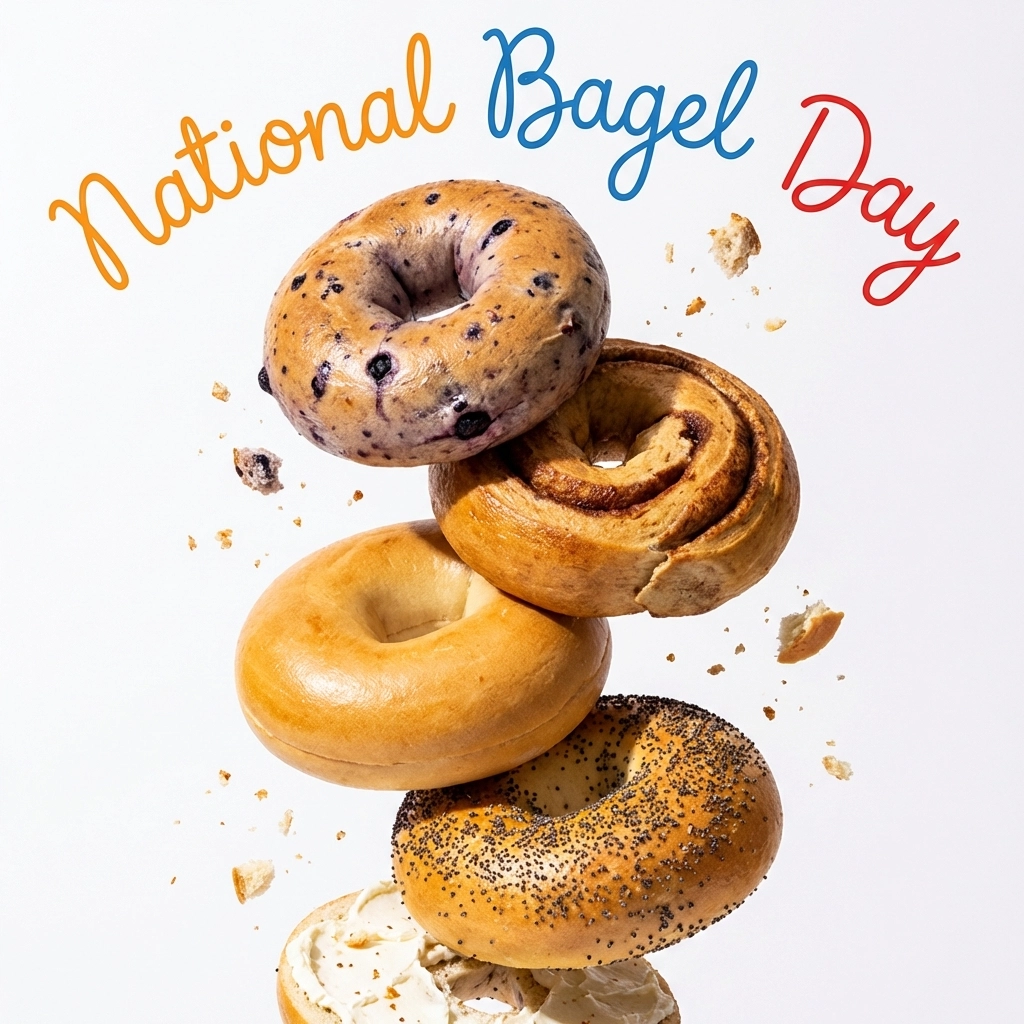
Ready for some bagel facts to impress your friends? Here are bagel facts that showcase just how remarkable this simple bread has become:
The World’s Largest Bagel
In August 2004, Bruegger’s Bagels created an 868-pound bagel at the New York State Fair. This Guinness World Record required 1,100 pounds of dough, 900 gallons of water, and 10 hours to bake. That’s one seriously oversized breakfast option.
Bagel Sales in America
In 2018 alone, more than 354 million bagels were sold in the United States. That number continues to grow as bagel popularity expands beyond traditional markets.
New York’s Famous Bagels
New York City boasts approximately 500 specialty bagel shops across its five boroughs. The competition keeps quality high and prices reasonable. Visitors often plan bagel shop tours as part of their New York City experience.
Universal Accessibility
Bagels have evolved from a niche ethnic food to products found virtually everywhere. Grocery stores stock multiple brands and varieties. Coffee shops feature bagel-based menu items. Gas stations offer grab-and-go options. Artisanal bakeries craft small batch versions with premium ingredients. The humble bagel has truly achieved universal appeal.
Why People Love Bagels: Bagel Tradition and Everyday Appeal
The bagel’s enduring popularity stems from several factors. Versatility ranks high on the list. A plain bagel serves as a blank canvas for countless toppings and preparations. Sweet or savory, simple or elaborate: bagels accommodate nearly any preference.
Portability matters too. The hole in the center makes bagels easy to carry. Commuters appreciate being able to eat breakfast on the go. The sturdy construction prevents the mess associated with softer breads.
That distinctive texture satisfies in a way other breads cannot. The chewy interior provides substance. The slightly crispy exterior adds contrast. Each bite delivers a textural experience worth savoring.
Cultural significance and bagel tradition add depth to the bagel experience. For many families, bagels connect generations. Memories of Sunday brunches and holiday gatherings intertwine with the taste and smell of fresh bagels. Food becomes more meaningful when it carries emotional resonance.
Celebrate Today: National Bagel Day and Bagel Celebration
National Bagel Day offers the perfect excuse to enjoy this timeless bread. Visit a local bakery and try a fresh-baked variety. Experiment with new topping combinations. Share the experience with friends and family.
However you choose to celebrate, take a moment to appreciate the bagel’s remarkable journey. From medieval Polish kitchens to modern breakfast tables worldwide, this ring-shaped bread has earned its place in culinary history. Here’s to the bagel: simple, satisfying, and absolutely worth celebrating.