
September brings a harvest of celebration for bakers and treat lovers alike. National Biscuit Month anchors this month-long tribute to fresh comfort food, joined by National Baker Day on September 23rd, Sourdough September, and National Cinnamon Raisin Bread Day on the 16th. This is a perfect time to explore how biscuit history, bakery innovation, and artisan biscuits come together. Warm, friendly insights for home bakers and biscuit fans.
Biscuit History: The Foundation of the American Biscuit
Biscuits trace their roots to European hardtack: a practical, long-lasting bread designed for sea voyages and military campaigns. American settlers adapted these dense, shelf-stable crackers into the fluffy, buttery comfort food we recognize today. The transformation happened gradually throughout the 18th and 19th centuries as baking powder became widely available, replacing yeast as the primary leavening agent.
Southern kitchens perfected the art of biscuit-making through necessity and ingenuity. Buttermilk, a byproduct of butter churning, provided the acidic component needed to activate baking soda. Cold butter or lard created steam pockets during baking, producing the signature flaky layers that separate good biscuits from great ones.
The technique became deeply embedded in Southern culture: a skill passed from grandmother to granddaughter, measured by touch rather than precise measurements. Each family developed their own variations, creating regional differences that persist today.

Regional Variations and Global Influences on Artisan Biscuits
American biscuit traditions vary significantly by region. Southern biscuits emphasize height and flakiness, achieved through gentle folding techniques and minimal handling. Mountain communities developed "cat head" biscuits: oversized, drop-style biscuits that could feed working families efficiently.
The influence of global biscuit traditions adds another layer to September's celebrations. British scones share DNA with American biscuits but incorporate eggs and cream for richer flavor. Australian Anzac biscuits honor military history through oats and golden syrup. French sablés demonstrate how butter and sugar transform simple ingredients into delicate treats.
These international connections remind us that biscuit-making represents a universal human desire for comfort food: simple ingredients transformed through technique and care.
Bakery Innovation: Modern Artisan Biscuits and Old-Fashioned Treats
Contemporary bakers push traditional boundaries while respecting foundational techniques. Gourmet biscuit shops now offer flavors that would surprise our great-grandmothers: everything bagel seasoning, sharp cheddar and chive, maple bacon, and even dessert variations featuring chocolate chips or dried cranberries.
Artisanal bakeries experiment with heritage grains, incorporating spelt, rye, and ancient wheat varieties for complex flavors and improved nutrition. Local sourcing has become increasingly important: farmers market butter, stone-ground cornmeal, and seasonal herbs create unique regional expressions of classic recipes.
The sandwich biscuit trend transforms breakfast into portable convenience. Fried chicken biscuits moved from Southern diners to national fast-food chains, while upscale versions feature house-cured bacon, farm eggs, and artisanal preserves.
Sweet biscuit applications continue expanding. Strawberry shortcake represents the classic dessert application, but modern variations include chocolate biscuits with fresh berries, cinnamon sugar biscuits with ice cream, and even biscuit bread pudding for elegant restaurant desserts.
Sourdough September: Ancient Techniques, Modern Bakery Innovation
Sourdough fermentation predates commercial yeast by thousands of years. Wild yeasts and beneficial bacteria create complex flavors impossible to achieve through conventional leavening. September's Sourdough celebration highlights this ancient technique's modern renaissance.
Sourdough starter maintenance requires patience and consistency: qualities that connect modern bakers to historical traditions. San Francisco sourdough gained fame during the Gold Rush era, when miners carried precious starter cultures in their gear. Today's artisanal bakers treat their starters like family heirlooms, some maintaining cultures decades old.
The health benefits of sourdough fermentation attract contemporary attention. The lengthy fermentation process breaks down gluten proteins and phytic acids, making nutrients more bioavailable. Natural probiotics support digestive health, while lower glycemic impact benefits blood sugar management.
Modern sourdough applications extend far beyond traditional loaves. Sourdough pizza crusts, pancakes, crackers, and even cookies demonstrate the starter's versatility. Some innovative bakers incorporate sourdough techniques into biscuit recipes, creating tangy, complex flavors that complement traditional buttermilk approaches.

National Cinnamon Raisin Bread Day: Sweet Nostalgia and Old-Fashioned Treats
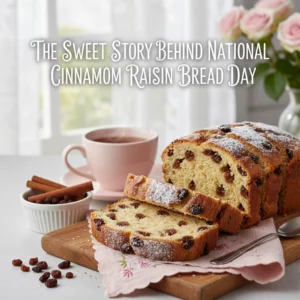
September 16th celebrates one of America's most beloved breakfast breads. Cinnamon raisin bread represents the intersection of practical nutrition and indulgent comfort: whole grains and dried fruit wrapped in warming spice.
The combination traces back to medieval European baking, when expensive spices like cinnamon signified wealth and celebration. Raisins provided natural sweetness and extended shelf life, making this bread both practical and luxurious.
American commercial bakeries popularized cinnamon raisin bread throughout the 20th century, but artisanal versions showcase superior ingredients and techniques. Stone-ground flours, Ceylon cinnamon, organic raisins, and careful proofing create depth of flavor impossible in mass-produced versions.
Modern variations explore international influences: challah-style cinnamon raisin bread incorporates Jewish braiding traditions, while whole grain versions emphasize nutrition without sacrificing taste. Some bakers add walnuts, dried cranberries, or orange zest for contemporary twists on the classic formula.
National Baker Day: Honoring the Craft and Bakery Innovation
September 23rd recognizes the skilled professionals who transform flour, water, and heat into daily sustenance and celebration centerpieces. Professional baking requires precision, timing, and intuition developed through years of practice.
The craft encompasses far more than following recipes. Understanding gluten development, fermentation timing, oven spring, and ingredient interactions separates skilled bakers from casual home cooks. Temperature control, humidity awareness, and seasonal adjustments represent advanced skills that ensure consistent results.
Modern professional baking faces unique challenges. Consumer demand for artisanal quality, dietary accommodations, and Instagram-worthy presentation requires both traditional skills and contemporary innovation. Successful bakeries balance efficiency with craftsmanship, often starting work before dawn to provide fresh products throughout the day.
The emergence of specialty diets creates opportunities for skilled bakers. Gluten-free, keto, and vegan baking require reformulated techniques and ingredient knowledge. These adaptations often push innovation, creating products that appeal to broader audiences beyond their intended dietary restrictions.

Fresh Comfort Food Evolution
September's baking celebrations highlight fresh comfort food's enduring appeal and constant evolution. Biscuits, bread, and baked goods provide emotional comfort alongside physical nourishment: connections to family memories, cultural traditions, and simpler times.
The farm-to-table movement influences modern baking through local sourcing and seasonal awareness. Flour milled from regional wheat, honey from neighborhood hives, and butter from nearby dairies create products that taste of place rather than mass production.
Technology assists traditional techniques without replacing them. Digital scales ensure consistent measurements, while proofing chambers control fermentation timing. Social media sharing spreads techniques and inspiration, connecting home bakers worldwide around shared passions.
The artisanal movement represents more than marketing: it reflects genuine desire for authentic experiences in an increasingly processed world. Hand-shaped biscuits, naturally leavened bread, and carefully spiced cinnamon raisin loaves offer tangible connections to human creativity and care.

Seasonal Baking Traditions: Old-Fashioned Treats for Fall
September's cooling temperatures create perfect conditions for home baking. Ovens that felt oppressive during summer heat become welcome warmth sources as autumn approaches. Apple harvest season provides fresh ingredients for seasonal variations on classic themes.
This transition period allows experimentation with warming spices: cinnamon, nutmeg, allspice, and cloves that will dominate winter baking. September represents the bridge between summer's fresh fruit applications and winter's rich, spiced comfort foods.
Preservation traditions emerge during this season. Fruit breads, spiced cakes, and enriched doughs help extend harvest bounty through colder months. These techniques connect modern bakers to centuries of seasonal rhythm and practical wisdom.
Looking Forward: National Biscuit Month, Bakery Innovation, and Old-Fashioned Treats
National Biscuit Month and September's other baking celebrations remind us that food traditions survive through adaptation rather than rigid preservation. Each generation adds their own interpretation while maintaining core techniques and values.
The future of baking likely includes continued emphasis on quality ingredients, traditional techniques, and innovative applications. Health consciousness will drive experimentation with alternative flours, natural sweeteners, and functional ingredients without sacrificing flavor or comfort.
Whether you prefer traditional buttermilk biscuits, tangy sourdough creations, or sweet cinnamon raisin comfort, September offers endless opportunities to explore the intersection of history and innovation in American baking.
Questions or thoughts? Email info@dsoftreats.com.